
Somatic & Health-Related Conditions
The mind and body are not separate. Treatment shouldn't be either.
What are Somatic & Health-Related Conditions?
Somatic and health-related conditions are those where physical symptoms and psychological experience are closely and significantly intertwined. The physical symptoms are real — they are not imagined or fabricated. But psychological factors including stress, anxiety, trauma, depression and learned patterns of attention and avoidance play a significant role in how those symptoms develop, persist and affect daily functioning.
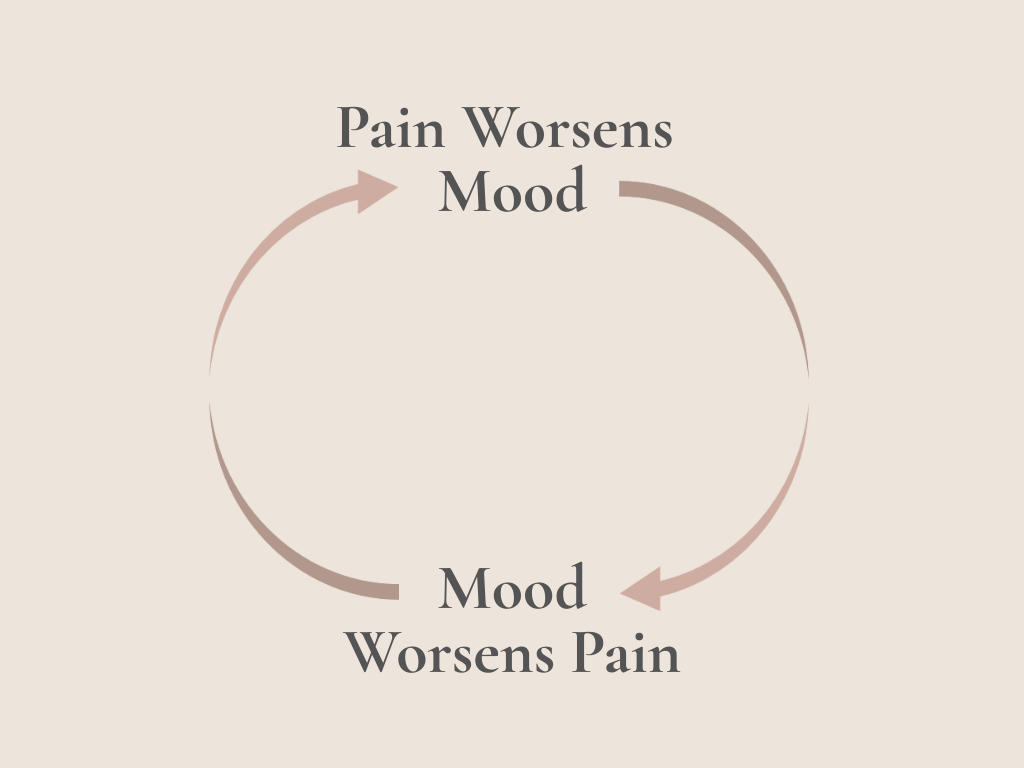
The separation of physical and psychological health is a clinical artifact — in reality they are inseparable. The brain and body are in constant bidirectional communication. Psychological states produce measurable physiological changes and physiological states produce measurable psychological changes. Effective treatment for somatic and health-related conditions addresses both dimensions — not one at the expense of the other.
At Karasick Psychology we provide evidence-based psychological treatment for a range of somatic and health-related conditions — working collaboratively with clients and their medical teams to address the psychological factors maintaining distress and impairment.
Conditions We Treat
Psychological treatment is effective across a wide range of somatic and health-related conditions.
Somatic Symptom Disorder
Characterised by one or more physical symptoms causing significant distress — accompanied by excessive thoughts, feelings or behaviours related to those symptoms. The symptoms are real. What distinguishes this condition is the disproportionate focus on symptoms and their meaning.
Fibromyalgia
A chronic condition characterized by widespread musculoskeletal pain, fatigue, sleep disturbance and cognitive difficulties. Psychological factors including stress, trauma and anxiety play a significant role in symptom development, maintenance and severity.
Chronic Pain
Chronic pain is pain that persists beyond the expected period of healing. Psychological factors play a significant role in how chronic pain is experienced, maintained and managed — and psychological treatment is one of the most effective interventions available.
Personal Injury
Personal injury — including motor vehicle accidents and workplace injuries — frequently produces both physical and psychological consequences. We have specific experience working with motor vehicle collision survivors and personal injury insurance claims.
Insomnia
Persistent difficulty falling asleep, staying asleep or waking too early. Insomnia is closely linked to anxiety, depression, trauma and stress — and is highly responsive to Cognitive Behavioural Therapy for Insomnia, the gold standard psychological treatment.
Chronic Fatigue Syndrome
Also known as ME/CFS — characterised by profound, persistent fatigue not explained by another medical condition and not relieved by rest. Post-exertional malaise is a hallmark feature. Psychological treatment addresses maintaining factors and supports gradual rehabilitation.
Medically Unexplained Symptoms
Physical symptoms that have been thoroughly investigated medically without a clear or sufficient explanation. Medically unexplained symptoms are common, real and significantly disabling. Psychological factors play an important role in their development and maintenance.
Irritable Bowel Syndrome
A functional gastrointestinal disorder characterised by abdominal pain, bloating and changes in bowel habits without structural abnormality. IBS has a strong psychological component — stress, anxiety and trauma significantly affect gut function through the gut-brain axis. Symptoms worsen significantly with stress or anxiety and can lead to avoidance of food, social situations or activities.
Treatment
Psychological treatment for somatic and health-related conditions is evidence-based and highly effective. At Karasick Psychology we draw primarily from Cognitive Behavioural Therapy — addressing the thought patterns, attention processes and behaviours that maintain and amplify physical symptoms and the distress associated with them.
Biofeedback is a particularly powerful tool for somatic conditions — providing real-time awareness of physiological states and developing the capacity to regulate the nervous system response that underlies many somatic symptoms. Treatment is collaborative and works alongside — not instead of — appropriate medical care.